Unpacking Geopolitical Shadows Through Saju
The global stage recently witnessed somber news concerning military personnel. Reports indicate a fatality amongst US forces in Iraq, closely following another incident in Jordan that claimed the lives of two service members. Such events, while tragic in their human cost, often carry deeper energetic currents that can be illuminated through ancient wisdom traditions like Saju, the Korean Four Pillars of Destiny.
Elemental Clashes: Fire, Metal, and Earth in Conflict
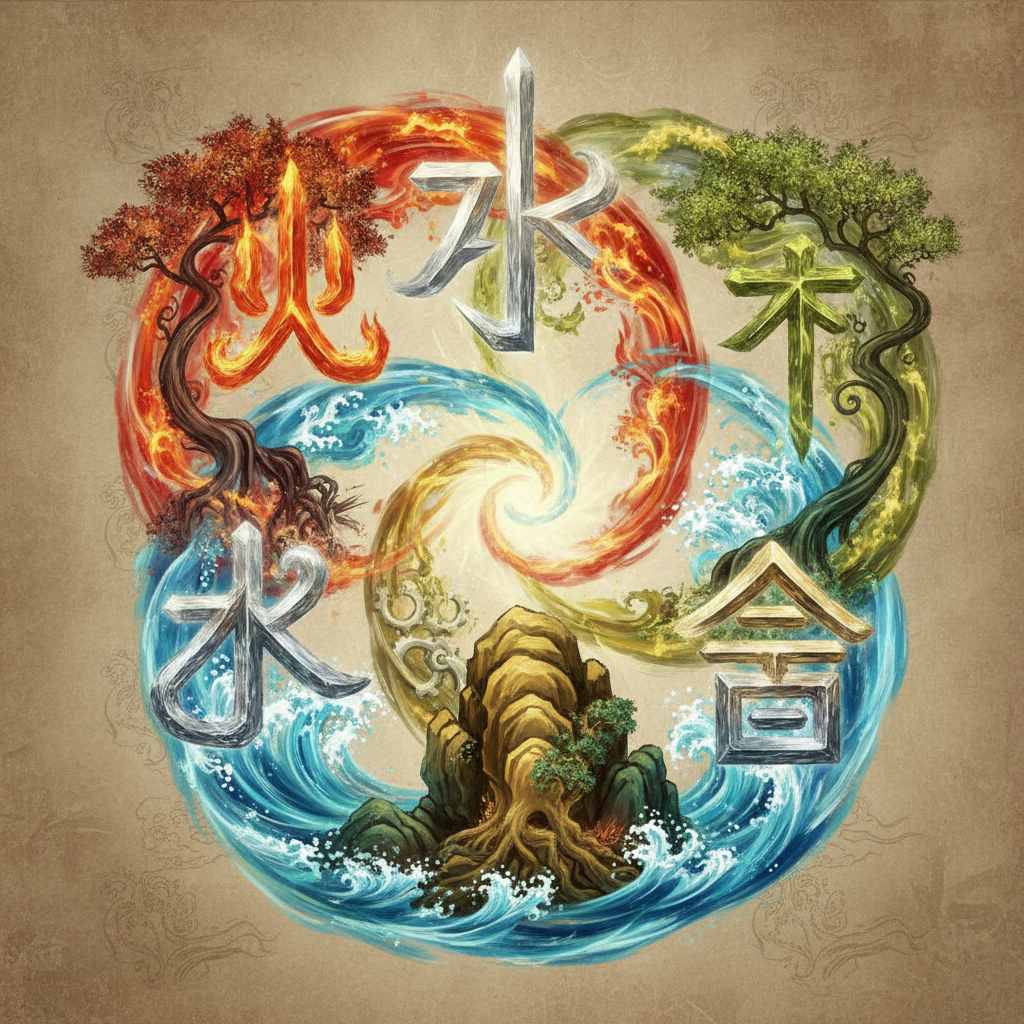
From a Saju and Five Elements perspective, these escalating tensions often point to significant clashes of energy. The military realm itself is deeply intertwined with the Metal element, representing discipline, force, weaponry, and often, conflict. When Metal is overly strong or clashes with other elements, especially Fire, we can see direct confrontations. Fire, symbolizing passion, innovation, and often sudden outbursts or explosions, can either forge (control) Metal or be suppressed by it, depending on the cycle and strength.
Considering the locations involved – the desert regions of Iraq and Jordan – the strong presence of the Earth element cannot be overlooked. Earth represents stability, territory, and also absorption. When Earth is imbalanced, it can either provide a stable foundation or become a source of contention and stagnation. In scenarios of conflict, Earth can become scorched by excessive Fire or ripped apart by uncontrolled Metal. The very ground upon which these skirmishes occur resonates with powerful elemental energies.
Furthermore, the element of Water, representing wisdom, diplomacy, and flow, appears to be notably absent or severely weakened in these cycles of confrontation. A lack of strong Water often leads to impulsive actions (Fire), stubborn resistance (Earth), and aggressive posturing (Metal). Without Water to cool Fire, smooth over Earth, or refine Metal, situations can quickly devolve into a destructive spiral, where negotiation and understanding take a back seat to force and retaliation.
When we look at specific dates of incidents, a Saju expert would meticulously examine the Heavenly Stems and Earthly Branches of those days, alongside the annual and monthly pillars, to identify the prevailing elemental forces. For example, a day strong in Yang Fire and Yang Metal might predict a sharp, sudden clash. A day with dominant Earth and Metal could signify a siege or a protracted, entrenched conflict. The interplay of these elements reveals the energetic undercurrents driving events, not as predestination, but as an unfolding of energetic potentials.
The Shadow of the Grand Cycle
Beyond daily and monthly pillars, the larger decadal and annual cycles play a crucial role. We are currently in a period where certain global alignments might be fostering a more volatile atmosphere. The interplay of the current year's elemental influence with the inherent elemental make-up of nations (derived from their founding dates) can offer profound insights. For instance, if a nation with a strong Fire element in its Saju chart enters a decade influenced by strong Metal, it can signify periods of intense internal change or external conflict, as Fire seeks to control Metal, or Metal attempts to contain Fire.
The human element in these conflicts, specifically the soldiers involved, also operates under their own personal Saju charts. While macro events are vast, individual destinies are intimately tied. A person's chart might indicate a period of vulnerability, particularly if their dominant element is clashing with the prevailing elemental energies of the time and place. This isn't to say destiny is fixed, but rather that certain energetic alignments can create heightened risks or opportunities.
A Life Lesson from Elemental Understanding
What can we, as individuals, glean from such analyses? Understanding the Five Elements teaches us about balance. Just as geopolitical stability requires a balance of power, diplomacy, and foresight, our personal lives thrive when our own elemental energies are in harmony. When we face periods of conflict or stress, identifying the dominant clashing elements – perhaps too much aggressive Fire, or stubborn Earth – can help us consciously introduce balancing elements. This could mean cultivating more Water (calm reflection), Wood (growth and compassion), or Earth (stability and grounding) in our lives.
Recognizing these elemental dynamics also fosters a deeper empathy. It allows us to see global events not just as isolated incidents, but as manifestations of universal energetic principles. It prompts us to seek solutions that restore elemental balance, emphasizing diplomacy (Water), growth (Wood), and mutual understanding, rather than solely relying on aggressive (Metal) or impulsive (Fire) responses.
For those seeking to understand their personal destiny and navigate life's challenges with greater wisdom, tools like Saju are invaluable. Services at Bujasaju.net offer detailed interpretations of your unique Four Pillars, helping you identify your elemental strengths and weaknesses, understand your fortunate and challenging periods, and ultimately, align with your true path. Discover how understanding your Saju can empower you to create a more balanced and harmonious life, even amidst global turbulences. Let the wisdom of the ancients guide your journey.
※ Related article: Read original