Navigating Regional Tensions: A Saju Insight
The geopolitical landscape of the Middle East is a tapestry woven with ancient histories and modern challenges. Recent reports highlight Saudi Arabia's complex position amidst escalating tensions between the United States and Iran. The kingdom finds itself at a critical juncture, weighing the strategic implications of deterrence against the potential for de-escalation in a volatile environment.
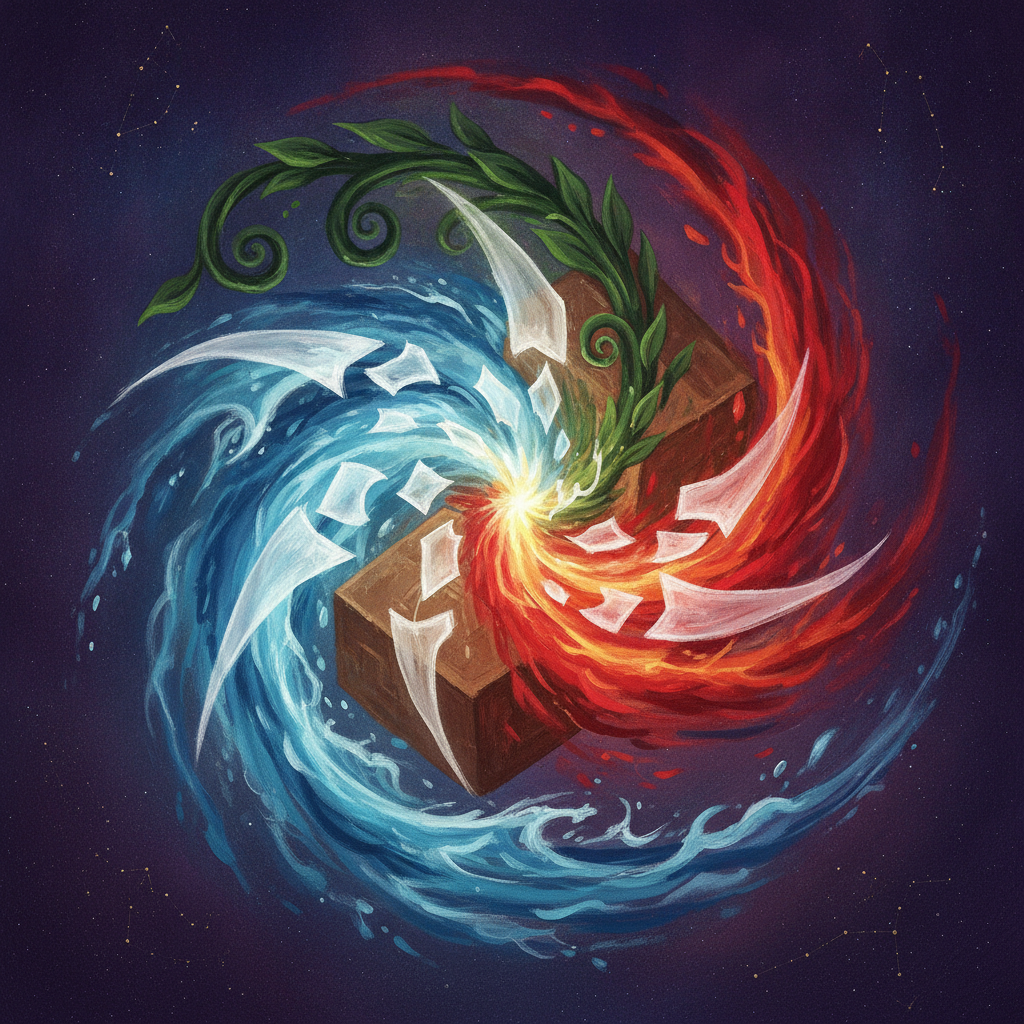
The Clash of Elements: Metal, Fire, and Water in the Middle East
From a Saju, or Four Pillars of Destiny, perspective, we can interpret these dynamics through the interplay of the Five Elements: Wood, Fire, Earth, Metal, and Water. Each element embodies specific characteristics and influences global events, reflecting underlying energetic currents.
Saudi Arabia, a nation rich in natural resources and deeply rooted in tradition, can often be associated with strong Earth or Metal energies in Saju. Earth represents stability, resources, and territory, while Metal signifies authority, military power, and a sense of justice or rigidity. Its current predicament, caught between two powerful forces, suggests a challenge to its intrinsic elemental balance.
The United States, as a global superpower with a history of assertive foreign policy, often exhibits strong Metal and Fire energies. Metal here symbolizes its advanced technological and military capabilities, while Fire represents its ambition, rapid innovation, and desire for influence and projection of power. This assertive Fire energy, when unchecked, can be confrontational and seek to dominate.
Iran, a nation with a deep spiritual heritage and a resilient, often defiant stance, might be characterized by a strong Water or even Wood influence. Water represents adaptability, mystery, and a deep, sometimes hidden, power that can erode or flow around obstacles. Wood, on the other hand, symbolizes growth, independence, and a desire for autonomy. The interaction between these elemental forces is crucial.
The current situation describes Saudi Arabia's dilemma: whether to ‘hit back’ as a deterrent or to ‘de-escalate.’ Hitting back aligns with a strong Metal energy – a firm, decisive, and sometimes aggressive response to maintain boundaries and assert dominance. It's about cutting away perceived threats. De-escalation, conversely, leans towards the wisdom of Water or a balanced Earth – understanding the flow, seeking harmony, and stabilizing the situation through diplomacy and restraint. For Saudi Arabia, choosing between these paths means aligning with different energetic impulses.
The tension between the US (Fire/Metal) and Iran (Water/Wood) creates a complex elemental triangle. Fire and Water are naturally in opposition; Fire seeks to evaporate Water, and Water seeks to extinguish Fire. Metal, when present, can act as a conductor for Fire (Fire melts Metal) or be strengthened by Earth. For Saudi Arabia, if its predominant energy is Earth, it can be overwhelmed by the Fire-Water clash or it can seek to mediate and absorb some of the conflict, acting as a buffer. If its energy is Metal, it might feel compelled to align with the Metal of the US, potentially escalating the Fire-Water conflict.
The phrase ‘hitting back as a deterrent’ embodies a reactive Metal energy – a sharp, decisive action to cut off further aggression. This is the direct approach, seeking to enforce boundaries through strength. However, this also risks generating more Fire and intensifying the conflict. The phrase ‘trying to de-escalate’ represents a more strategic, flowing Water energy, or perhaps a grounded Earth energy. Water seeks to cool down Fire, to find pathways around conflict rather than through it. Earth seeks stability and harmony, absorbing shocks rather than amplifying them. For a nation like Saudi Arabia, the choice between these paths is not just political but also reflects a deeper alignment with a particular elemental strategy.
A balanced Saju seeks harmony among all five elements. When one element becomes overly dominant or clashing elements are in direct opposition, instability arises. The current geopolitical tensions are a prime example of an elemental imbalance creating significant challenges. The presence of aggressive Fire and stubborn Water, with Metal choosing its allegiance, creates a volatile environment where the wisdom of Earth and the adaptability of Wood are desperately needed to restore equilibrium.
A Universal Lesson in Balance and Choice
This macro-level Saju analysis offers valuable lessons for individuals as well. We all face dilemmas where we must choose between assertive action (Metal/Fire) and diplomatic de-escalation (Water/Earth). Understanding our own dominant elemental energies, and those of the people or situations we interact with, can illuminate the most harmonious path forward. Recognizing when to be firm and when to be flexible is key to navigating life's challenges. The wisdom of Saju teaches us that true strength lies not just in power, but in balance and adaptability.
To gain deeper insights into your personal elemental makeup and how it influences your destiny, consider exploring the ancient wisdom of Saju. At Bujasaju.net, we offer comprehensive Saju analysis services to help you understand your unique elemental blueprint, revealing your strengths, challenges, and optimal life paths. Discover how the Five Elements shape your world and empower yourself with self-knowledge.
※ Related article: Read original