Unfolding Sorrow: A Saju Perspective on a Devastating Event
Recent international reports have brought to light a heartbreaking incident involving a five-year-old Palestinian girl, whose life, along with several family members, was tragically cut short in a violent encounter. The initial accounts described her survival and desperate pleas for assistance before her subsequent discovery among the deceased. Such events, striking at the very core of human compassion, compel us to reflect on the unseen forces that sometimes intertwine with our earthly existence. While Saju does not predict specific, tragic incidents, it offers a framework for understanding the ebb and flow of elemental energies and how imbalances can manifest as periods of intense challenge or sorrow in the collective human experience.
The Five Elements and Cycles of Conflict
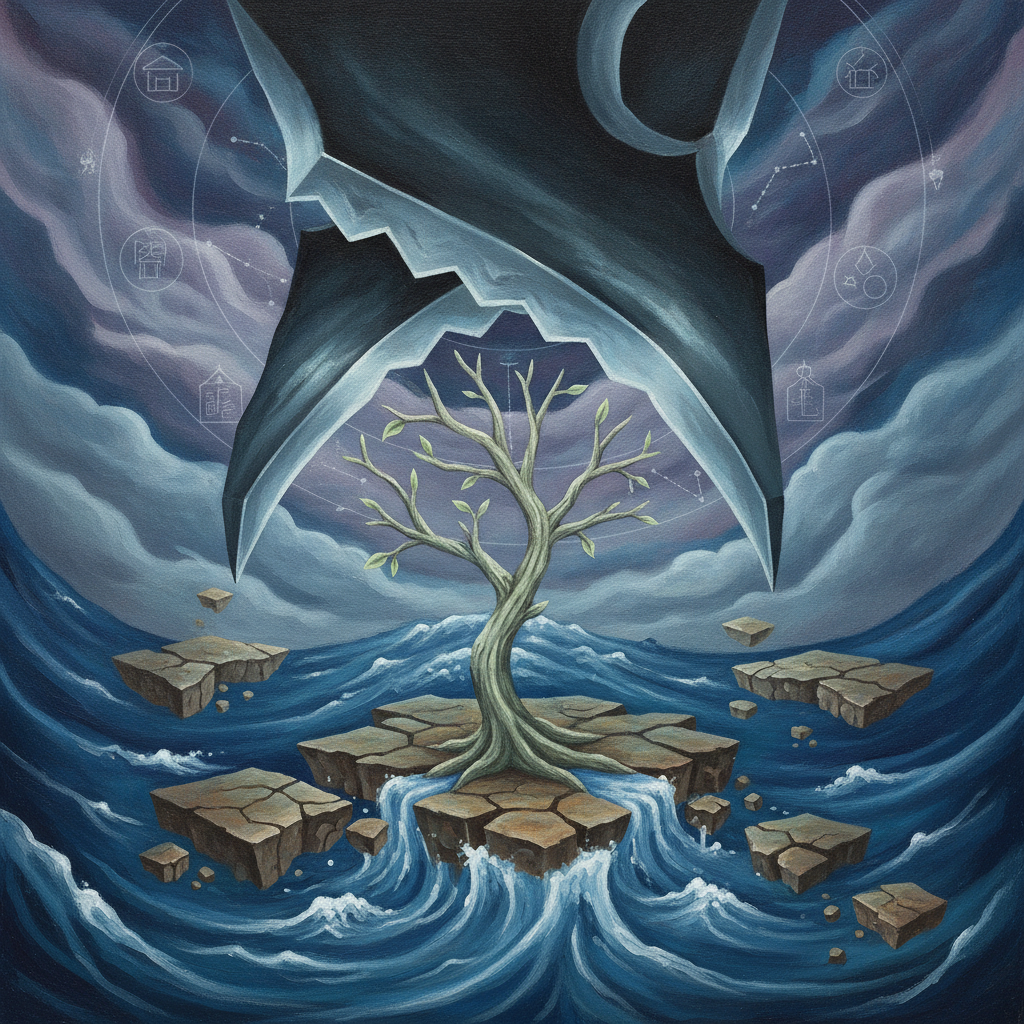
In Saju, the Five Elements—Wood, Fire, Earth, Metal, and Water—represent not just physical components but also fundamental forces and stages of life. When we witness events of such profound loss, particularly involving the most vulnerable, it often points to a severe imbalance or a clash of destructive energies within the larger cosmic pattern. Metal, for instance, represents justice, authority, and often, weapons or military action. When Metal energy is overly strong, unchecked, or in a destructive relationship with other elements, it can signify periods of conflict, severe judgment, or violence. The tragic loss of a young life, a symbol of nascent Wood energy (growth, innocence, beginnings), at the hands of powerful Metal, speaks to a deeply unsettling disharmony.
Water, representing wisdom, adaptability, and also fear or deep sorrow, could be seen in the desperate cries for help and the overwhelming grief that follows such an event. Earth, symbolizing stability, community, and the human body itself, becomes disrupted and fragmented under such destructive pressures. Fire, representing passion, joy, but also conflict and aggression, could be interpreted in the intensity of the confrontation. The severe suppression of Wood by Metal, with the added distress of Water and the shattering of Earth, paints a picture of extreme energetic disruption. From a Saju perspective, such overwhelming destructive cycles are a stark reminder of humanity's ongoing struggle to achieve balance, both internally and in its interactions with the world.
The Vulnerability of Wood and the Power of Metal
A child's life is inherently connected to the Wood element – symbolizing growth, vitality, innocence, and the future. When Wood is confronted by an overwhelming force of Metal, which in its destructive aspect can represent weapons, sharp objects, or military power, the outcome can be devastating. This energetic clash is not merely symbolic; it reflects a fundamental principle in Saju where certain elements, when imbalanced, can exert immense destructive pressure on others. The tragic demise of the young girl and her family highlights a situation where the nourishing, gentle energy of Wood was brutally severed by an unrestrained Metal force. Such incidents are not predetermined by Saju charts, but the Saju framework helps us understand the energetic dynamics at play in broader human affairs, where collective actions can lead to devastating elemental imbalances.
This event serves as a poignant reminder of the fragility of life and the immense responsibility that comes with power. When the Metal element, representing authority and order, loses its benevolent aspect and turns destructive, it can inflict unimaginable suffering, particularly on the vulnerable Wood. The sorrow experienced globally in response to this news reflects a universal resonance with the disruption of natural harmony and the crushing of pure, innocent energy.
Reflections and the Path Towards Balance
While Saju does not offer solace in the form of reversing past tragedies, it provides a lens through which we can understand the energetic forces that contribute to such painful outcomes. It encourages us to strive for balance in our own lives and to advocate for harmony in the larger world. Every individual's Saju chart is a unique blueprint, but the universal principles of elemental interaction govern the collective human experience as well. The pain caused by an unchecked destructive force resonates deeply because it goes against the natural flow of life and growth that the Wood element embodies.
Understanding these dynamics can inspire us to foster environments where Wood can flourish, where Earth provides stable ground, where Water flows with wisdom, and where Metal is tempered by justice and compassion, rather than wielding unchecked destructive power. It calls for introspection on how we, as a global community, can mitigate the prevalence of such harsh Metal-on-Wood clashes. For those seeking personal insight into their own elemental makeup and how to navigate life's challenges with greater awareness, services like those offered at Bujasaju.net can provide valuable guidance. Exploring your personal Saju chart can empower you to cultivate your strengths and understand your innate elemental balance, helping you contribute to a more harmonious world, even in the face of profound sorrow.
※ Related article: Read original